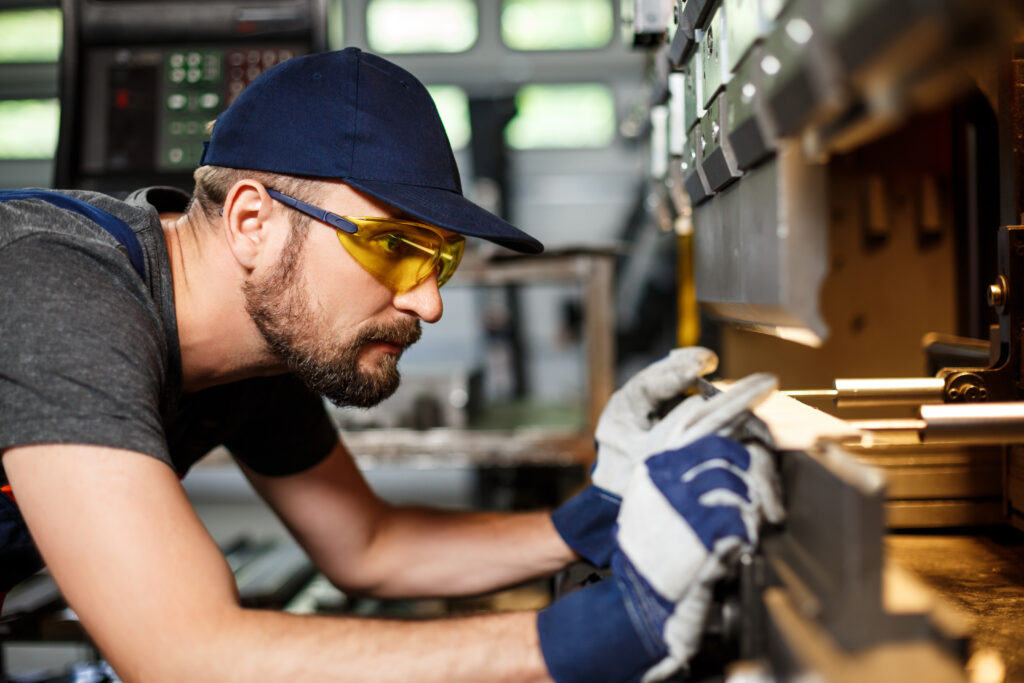
The process begins with a CAD (Computer-Aided Design) model or technical drawing. This design is converted into machine-readable code, which directs the milling machine to cut, drill and shape the material with exceptional accuracy. Multi-axis CNC milling machines allow for complex geometries, tight tolerances and consistent repeatability across batches.
One of the key advantages of CNC milling is precision. Because the process is automated and digitally controlled, it reduces the risk of human error and ensures components are manufactured exactly to specification. This is particularly important in industries where performance, durability and accuracy are critical.
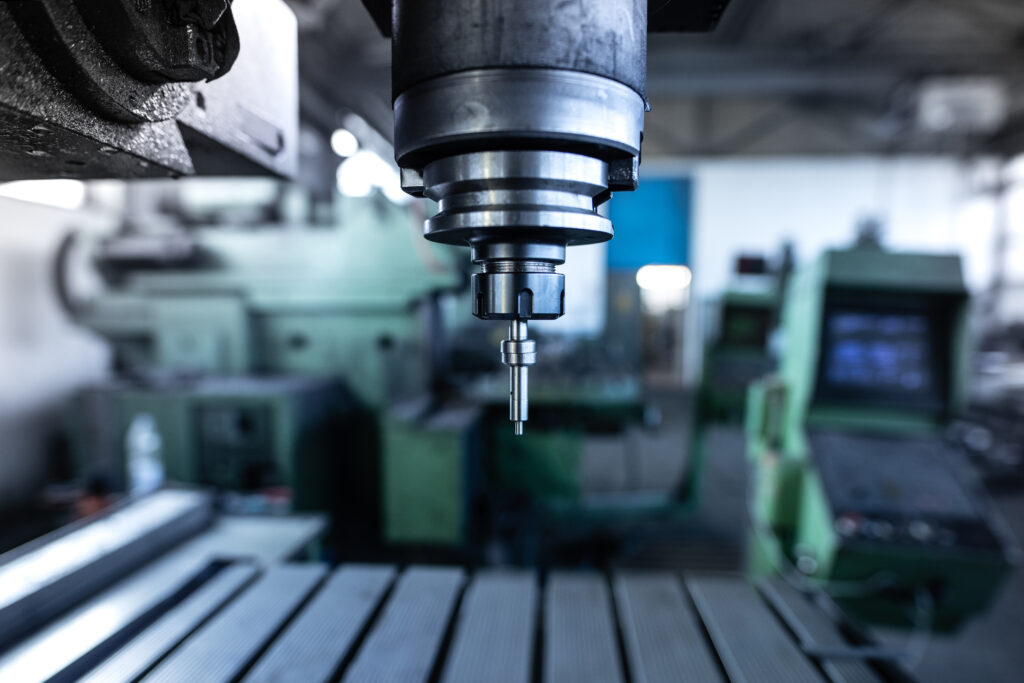
CNC milling is also highly versatile. It can be used to machine a wide range of materials, including aluminium, steel, stainless steel, brass and engineering plastics. Whether producing one-off prototypes or repeat production runs, the process allows for efficiency without compromising on quality.
At its core, CNC milling enables us to manufacture high-performance components reliably and consistently. By combining advanced machinery with technical expertise, we are able to deliver parts that meet exacting standards and perform as intended in demanding applications.